
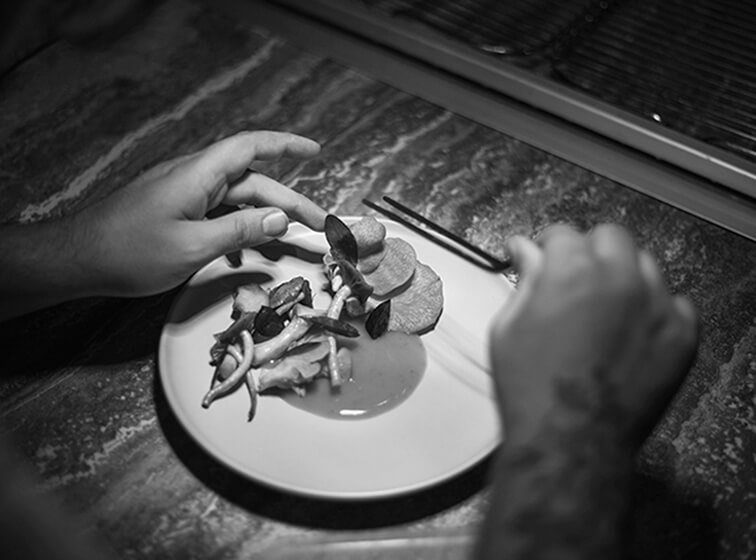
One of the best letters of introduction for the clientele of a restaurant is the elaboration of a tasting menu that makes a tour of the gastronomic identity of the restaurant.
More and more establishments are resorting to this type of menu although, sometimes, its name does not really correspond to what is being offered. Before showing you what a tasting menu is and some examples, it is advisable that you take a look at what it is not.
Un menú degustación no es un plato combinado, ni varios platos completos de tu carta, ni una serie de tapas presentadas sin orden ni concierto. Un menú degustación es algo diferente, una experiencia culinaria con lo mejor de tu cocina.
What is a tasting menu?
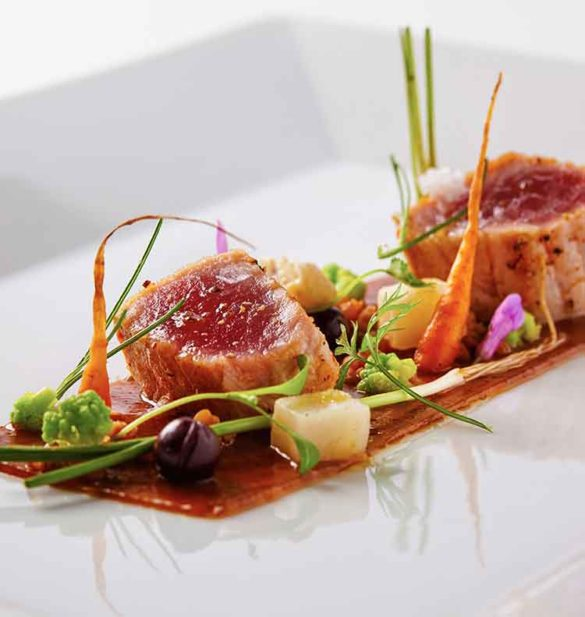
A tasting menu is a selection of small portions of dishes representative of a restaurant's culinary style. It is not a question of stuffing the customers with an overabundance of elaborations, but of offering them the most complete experience possible of the gastronomic spirit of the cuisine. A tasting menu is not based on quantity, but on quality and a careful and structured selection of the chef's best creations.
Traditionally, a tasting menu includes a minimum of 6 dishes, but the limit must be set by you in your place. Obviously, the greater the number of dishes, the less quantity you should include in each portion. It is not a question of the customer getting full, or of not being able to reach the end of the menu because he can't take any more. The ideal is that the menu can satiate him but without indigestion.
Do not forget the objective is to give them as broad an idea as possible of what your restaurant has to offer.A satisfied customer will not only become a regular customer, their positive comments among their friends and acquaintances can also attract new customers.
Although there is no closed rule on the content and structure of a tasting menu, it can be said that the basic rule is to start with an appetizer that awakens the palate of the diners, followed by a minimum of 3 starters as varied as possible.
Afterwards, one or more fish and meat dishes will be served (nowadays, no matter how specialized a restaurant is, it is normal to have dishes of both products).
Finally, desserts will be served. As for beverages, water, of course, is a must, but neither are alcoholic beverages. It is a good time to offer a good wine from your cellar or even quality beer.
Advantages and disadvantages of including the tasting menu on my menu
There are two main ways to offer a tasting menu, one is that it is the only option for the customer and the second is that it is complemented by a menu.
La primera opción es algo arriesgada para muchos restaurantes ya que deja al comensal sin posibilidades de cambio si alguno de los platos no se ajusta a sus gustos. En el caso de que exista una carta aparte, los clientes no se verán tan “encorsetados”, por lo que puede ser la mejor opción.
However, it is advisable that the menu be as tight as possible, not those "encyclopedias" that are seen in some restaurants, which forces restaurateurs to have an excessive amount of merchandise that probably cannot be served fresh.
Generally speaking, the main advantage of having a tasting menu is that it increases the possibilities of being able to offer customers fresh products, the chefs can calculate the amount of food that will be needed. On the other hand, it allows the restaurant to specialize in the chef's star dishes, which guarantees higher quality.
From a diner's point of view, the experience of a tasting menu is much more pleasurable than the classic "first, second and dessert". Food lovers are more interested in a journey through different flavors, aromas and textures.
On the other side of the coin, the disadvantage of a tasting menu is the lesser ability of customers to choose, especially if the menu is not accompanied by an à la carte menu. If this is the case, a good solution is to ask diners to indicate at the time of booking if any of the dishes are not to their taste or that they cannot eat them for health reasons. This allows enough time for the restaurateur to substitute that dish for another one (always making sure that it fits the price).